Bay of Fires Walk: A Self-Guided Adventure Plan
Embark on an unforgettable coastal journey! Discover Tasmania’s stunning Bay of Fires through independent exploration‚ utilizing diverse trails and breathtaking scenery․ Plan your perfect adventure today!
Overview of the Bay of Fires
The Bay of Fires‚ located on Tasmania’s northeast coast‚ is renowned for its pristine white-sand beaches‚ turquoise waters‚ and the striking orange-lichen covered granite boulders that give the region its name․ This coastal paradise stretches for over 140 kilometers‚ offering a diverse range of walking experiences‚ from short strolls to multi-day treks․
The area boasts a rich history‚ with significant Aboriginal heritage and early European settlement․ Self-guided walkers will encounter diverse ecosystems‚ including coastal heathland‚ eucalyptus forests‚ and secluded coves․ The Bay of Fires is part of the larger Mount William National Park‚ providing protected landscapes and abundant wildlife․ Expect to see wallabies‚ pademelons‚ and a variety of bird species․
Its accessibility and well-maintained trails make it ideal for independent exploration‚ allowing you to immerse yourself in the natural beauty at your own pace․ The varying terrain caters to different fitness levels‚ ensuring a rewarding experience for all adventurers․
What is a Self-Guided Walk?
A self-guided walk offers the freedom and flexibility to explore the Bay of Fires at your own rhythm‚ without the constraints of a structured tour group․ You are responsible for your own navigation‚ accommodation‚ and meals‚ allowing for a truly personalized adventure․ This approach is perfect for independent travelers who enjoy the challenge of planning their own itinerary and immersing themselves in the environment․
Unlike guided tours‚ self-guided walks require a degree of self-sufficiency․ Walkers typically utilize detailed maps‚ trail notes‚ and GPS devices to navigate the routes․ Pre-booked accommodation options range from campsites to comfortable lodges‚ catering to various budgets and preferences․
The Bay of Fires is particularly well-suited for self-guided adventures due to its well-marked trails and accessible infrastructure․ It’s an opportunity to connect with nature on a deeper level‚ fostering a sense of accomplishment and discovery․
Planning Your Trip: Best Time to Visit
The optimal time to experience the Bay of Fires Walk is during the warmer months‚ from October to May․ Tasmania’s weather is notoriously variable‚ but these months generally offer milder temperatures and less rainfall‚ enhancing your enjoyment of the coastal trails․ Summer (December to February) boasts the warmest weather‚ ideal for swimming and beachside camping‚ but also attracts more visitors․
Shoulder seasons – October/November and March/April – present a sweet spot with pleasant weather‚ fewer crowds‚ and potentially lower accommodation rates․ Be prepared for all conditions‚ even in summer‚ as sudden changes can occur․
Winter (June to August) can be cold and wet‚ with some trails potentially affected by snow or flooding․ However‚ it offers a unique‚ rugged beauty and a chance to experience the Bay of Fires in solitude․ Always check the weather forecast before embarking on your walk and pack accordingly․
Accommodation Options Along the Walk
Self-guided walkers along the Bay of Fires have a range of accommodation choices․ Binalong Bay offers several holiday rentals and a caravan park‚ providing convenient access to the iconic beach․ For a more luxurious experience‚ consider the Bay of Fires Lodge‚ offering guided walks and comfortable lodging – though it’s a higher-end option․
Camping is permitted in designated areas within Mount William National Park‚ offering a budget-friendly and immersive experience․ Bookings are often required‚ especially during peak season․ St Helens provides a wider selection of hotels‚ motels‚ and bed & breakfasts‚ serving as a good base for exploring Ansons Bay and the surrounding areas․
Pre-booking is highly recommended‚ particularly during the summer months‚ to secure your preferred accommodation․ Consider the proximity of your lodging to the trailheads and transport options when making your selections․
Essential Gear and Packing List
Preparing for a self-guided Bay of Fires walk requires careful consideration of gear․ Sturdy‚ waterproof hiking boots are crucial‚ alongside moisture-wicking socks to prevent blisters․ Pack layers of clothing – Tasmania’s weather can change rapidly! Include a waterproof jacket and pants‚ even in summer․
Essential items include a backpack (30-40L)‚ a headlamp or flashlight‚ a first-aid kit‚ sunscreen‚ insect repellent‚ and a reusable water bottle or hydration pack․ A map and compass (and the knowledge to use them!) are vital‚ as cell service can be unreliable․ Don’t forget a camera to capture the stunning scenery!
Consider bringing trekking poles for added stability‚ especially on steeper sections․ Pack high-energy snacks‚ and a portable charger for your electronic devices․ A small towel and toiletries are also recommended for a comfortable experience․

Section 1: Binalong Bay and the Iconic Rocks
Binalong Bay marks a fantastic starting point for your Bay of Fires adventure․ The area is famed for its granite boulders‚ splashed with vibrant orange lichen‚ contrasting beautifully with the turquoise waters and white sand beaches․ This section offers relatively easy walking‚ perfect for acclimatizing․
Begin with the Binalong Bay Beach Walk‚ a gentle stroll along the shoreline‚ allowing you to fully appreciate the iconic rock formations․ Keep an eye out for local wildlife‚ including seabirds and wallabies․ The Gardens Walk‚ a slightly more challenging option‚ winds through coastal heathland‚ offering panoramic views․
Allow ample time to explore the secluded coves and bays around Binalong Bay․ This area provides excellent photographic opportunities and a chance to connect with the natural beauty of Tasmania’s coastline․ Remember to check tide times before embarking on beach walks․
Binalong Bay Beach Walk
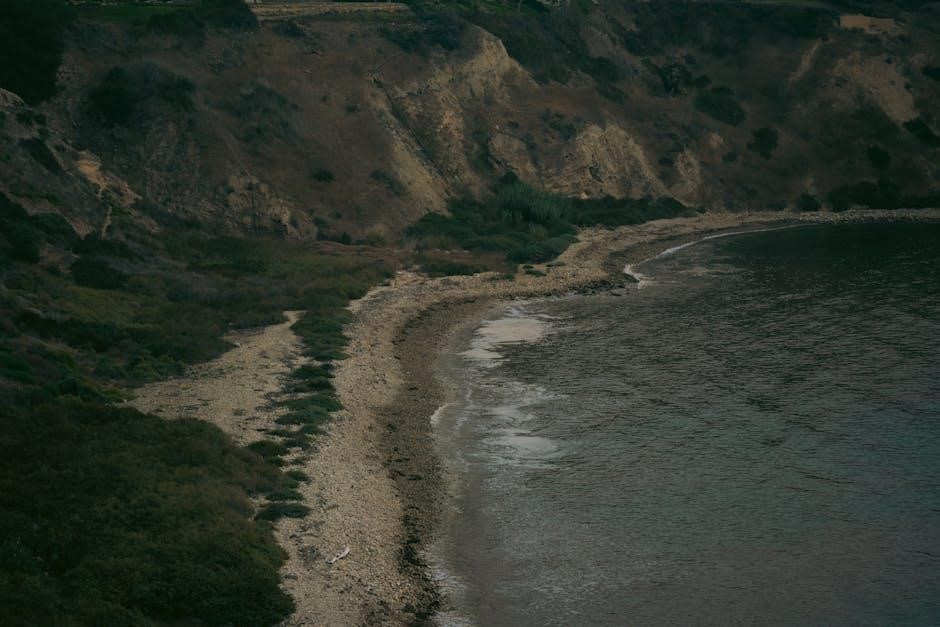
The Binalong Bay Beach Walk is an accessible and rewarding experience‚ ideal for all fitness levels․ This relatively flat walk follows the coastline‚ showcasing the Bay of Fires’ signature granite boulders and pristine sands․ It’s a perfect introduction to the region’s stunning beauty․
The walk typically begins near the Binalong Bay car park‚ extending along the beach for approximately 3-4 kilometers return․ As you stroll‚ marvel at the vibrant orange lichen covering the rocks‚ creating a striking visual contrast against the azure ocean․
Keep your camera ready to capture the picturesque scenery and potential wildlife sightings‚ including various seabirds․ Low tide reveals more of the beach and allows for easier exploration of the rock pools․ Remember to wear appropriate footwear and be mindful of changing tide conditions for a safe and enjoyable walk․
The Gardens Walk
The Gardens Walk‚ near Binalong Bay‚ offers a slightly more challenging yet incredibly rewarding experience․ This loop trail winds through coastal heathland and offers panoramic views of the iconic orange-hued granite boulders and the turquoise waters of the Bay of Fires․ It’s a fantastic option for those seeking a bit more immersion in the natural environment․
The walk is approximately 7 kilometers in length and typically takes around 3-4 hours to complete‚ depending on your pace․ The trail is well-maintained but includes some gentle inclines and uneven terrain‚ so sturdy footwear is recommended․
As you traverse the path‚ you’ll be surrounded by native flora and fauna‚ including unique plant species and diverse birdlife․ Several viewpoints along the way provide stunning photo opportunities․ Pack water and snacks‚ and be prepared for changing weather conditions to fully enjoy this captivating coastal walk․
Section 2: Mount William National Park
Mount William National Park presents a dramatic shift in landscape‚ moving from the coastal heathlands to rugged granite peaks and secluded bays․ This section of the Bay of Fires walk offers a more challenging experience‚ rewarding hikers with breathtaking panoramic views and a sense of remote wilderness․ It’s a haven for those seeking solitude and a deeper connection with nature․
Within the park‚ several walking trails cater to different fitness levels․ From shorter coastal strolls to the demanding Mount William Summit Walk‚ there’s something for everyone․ Expect varied terrain‚ including rocky outcrops‚ sandy beaches‚ and dense bushland․
Exploring Mount William National Park requires careful planning; Be prepared for changeable weather‚ carry sufficient water and supplies‚ and inform someone of your hiking plans․ The park’s diverse ecosystems are home to unique wildlife‚ making it a truly special destination for self-guided adventurers․
Mount William Summit Walk
The Mount William Summit Walk is the park’s signature hike‚ a challenging ascent offering unparalleled 360-degree views of the Bay of Fires and surrounding landscapes․ This demanding trail‚ approximately 8km return‚ requires a good level of fitness and appropriate hiking gear․ Allow 4-6 hours to complete the walk comfortably‚ factoring in time to savor the scenery․
The trail begins with a gentle climb through woodland‚ gradually becoming steeper and rockier as you approach the summit․ The final section involves some scrambling over granite boulders‚ adding to the adventure․ Be prepared for exposed conditions at the top‚ where wind can be strong․

Reaching the summit is incredibly rewarding․ The panoramic vistas encompass the fiery red granite boulders‚ turquoise waters‚ and pristine beaches that define the Bay of Fires․ It’s a perfect spot for a picnic and to reflect on your accomplishment․ Remember to check weather conditions before embarking on this hike․
Cosy Corner Walk
The Cosy Corner Walk offers a delightful and accessible coastal experience‚ perfect for families and those seeking a less strenuous hike․ This relatively short walk‚ around 2․6km return‚ meanders through coastal heathland and along a beautiful‚ sheltered beach․ Allow approximately 1․5 ― 2 hours to fully enjoy the scenery and explore the area․
The trail begins with a boardwalk section‚ protecting the fragile dune ecosystem․ It then descends to Cosy Corner beach‚ renowned for its calm waters and picturesque granite formations․ Keep an eye out for diverse birdlife along the way‚ including seabirds and wrens․
Cosy Corner is an ideal spot for swimming‚ paddling‚ or simply relaxing on the sand․ The sheltered bay provides a safe environment for families․ Remember to bring your swimwear and a towel! The walk offers stunning views and a peaceful atmosphere‚ making it a memorable part of your Bay of Fires adventure․

Section 3: Exploring Ansons Bay
Ansons Bay presents a more remote and rugged coastal experience‚ rewarding hikers with pristine beaches and dramatic scenery․ This section of the Bay of Fires Walk offers a sense of solitude and immersion in nature․ The area is characterized by its long‚ sweeping beach backed by low dunes and forested hills․
The Ansons Bay Coastal Walk is a moderate undertaking‚ approximately 6km return‚ taking around 3-4 hours․ It involves some gentle undulations and walking on sand․ Be prepared for potential wind exposure‚ as the bay is open to the elements․
Explore the northern end of the bay‚ discovering hidden coves and rock pools teeming with marine life․ Keep an eye out for seals basking on the rocks․ Ansons Bay is a fantastic location for birdwatching and enjoying the tranquility of the Tasmanian coastline․ Remember to pack sufficient water and snacks for this rewarding hike;
Ansons Bay Coastal Walk
The Ansons Bay Coastal Walk is a highlight for self-guided adventurers‚ offering a 6km return journey along a stunning‚ secluded beach․ Allow 3-4 hours to fully appreciate the diverse coastal landscapes․ This walk provides a genuine sense of remoteness‚ contrasting with the more popular sections of the Bay of Fires․
The trail begins at the northern end of Ansons Bay‚ gently following the coastline․ Expect soft sand walking‚ with some minor undulations as you navigate around rocky headlands․ The walk is generally considered moderate in difficulty‚ suitable for reasonably fit individuals․
Keep an eye out for local wildlife‚ including seabirds and seals often spotted basking on the rocks․ The bay’s clear waters are ideal for observing marine life․ Pack plenty of water‚ sunscreen‚ and a hat‚ as there is limited shade along the route․ This walk truly embodies the wild beauty of Tasmania’s coastline․
St Helens Point Walk
The St Helens Point Walk is a rewarding experience for self-guided hikers‚ presenting a 7km return journey showcasing dramatic coastal scenery․ Allocate approximately 3-5 hours to fully immerse yourself in the area’s natural beauty․ This walk offers panoramic views and a chance to explore a historic area․
Starting near the town of St Helens‚ the trail meanders along the coastline‚ passing by rocky outcrops and secluded beaches․ The terrain is varied‚ with some sections involving gentle climbs and descents․ It’s considered a moderate walk‚ requiring a reasonable level of fitness․
Historically significant‚ St Helens Point was a key location for tin mining․ Remnants of the mining past can still be observed along the walk․ Birdwatchers will appreciate the diverse avian life inhabiting the area․ Remember to bring water‚ sun protection‚ and appropriate footwear for a comfortable and safe hike; Enjoy the captivating views!

Section 4: Longer Distance Options & Multi-Day Treks
For experienced hikers seeking a more immersive experience‚ the Bay of Fires offers extended trekking possibilities․ While fully self-guided multi-day treks require meticulous planning‚ the rewards are substantial․ Consider the renowned Bay of Fires Lodge Walk‚ a four-day guided option‚ as inspiration for independent route creation․
Independent planning for a four-day trek necessitates careful consideration of campsites‚ water sources‚ and food supplies․ Sections can be linked‚ incorporating portions of the Binalong Bay‚ Mount William‚ and Ansons Bay walks․ Pre-booking campsites is crucial‚ especially during peak season․
Navigation skills and a detailed map are essential‚ alongside appropriate safety equipment․ Be prepared for variable weather conditions and potential challenges․ Alternatively‚ explore shorter‚ linked walks over consecutive days․ Remember to adhere to Leave No Trace principles‚ preserving the pristine environment for future adventurers․ Embrace the challenge and discover the Bay of Fires in depth!

Bay of Fires Lodge Walk (Overview)
The Bay of Fires Lodge Walk presents a luxurious‚ fully-guided four-day experience‚ offering a fantastic blueprint for those contemplating a self-guided adventure․ This established trek traverses stunning coastal landscapes‚ combining comfortable lodge accommodation with invigorating daily hikes․ It’s an excellent example of how to best experience the region’s diverse beauty․
Each day features approximately 10-15 kilometers of walking‚ showcasing iconic locations like Binalong Bay and Mount William National Park; Gourmet meals and comfortable lodging are included‚ removing logistical burdens․ While a guided option‚ observing the route and logistical support provides valuable insights for independent planning․

Consider the Lodge Walk’s itinerary when designing your own self-guided trek․ Note campsite locations‚ water source availability‚ and trail difficulty․ This provides a solid foundation for crafting a personalized adventure‚ balancing challenge with comfort․ It’s a premium experience that illuminates the possibilities for independent exploration․

Four-Day Bay of Fires Walk (Independent Planning)
Crafting a four-day self-guided walk requires careful planning․ Mimic the Bay of Fires Lodge Walk’s route as a starting point‚ dividing the trail into manageable daily sections․ Focus on Binalong Bay‚ Mount William National Park‚ and Ansons Bay‚ allowing ample time for exploration․
Accommodation options include campsites and pre-booked lodging in nearby towns․ Secure Parks Pass access and familiarize yourself with Leave No Trace principles․ Daily distances of 10-15km are achievable‚ but adjust based on fitness levels․ Prioritize water sources and carry sufficient supplies․
Detailed mapping and GPS navigation are essential․ Download offline maps and familiarize yourself with trail markings․ Consider pre-arranging food drops or carrying all provisions․ This independent approach offers flexibility and a deeper connection with the landscape‚ demanding self-reliance and preparedness․ Enjoy the freedom of charting your own course!
Safety Considerations for Self-Guided Walks
Prioritizing safety is paramount on a self-guided Bay of Fires adventure․ Tasmania’s weather can change rapidly; pack layers and waterproof gear‚ and regularly check forecasts before and during your walk․ Be prepared for potential hazards like slippery rocks‚ steep inclines‚ and unpredictable tides along the coastline․
Wildlife encounters are possible; maintain a safe distance from animals․ Carry a first-aid kit and know how to use it‚ including treatment for blisters and minor injuries․ Inform someone of your itinerary and expected return time․ Mobile phone coverage is limited in some areas‚ so consider a personal locator beacon (PLB)․
Understand park regulations and permit requirements․ Adhere to fire restrictions and be aware of potential bushfire risks․ Practice Leave No Trace principles to minimize your environmental impact․ Responsible planning and awareness are key to a safe and enjoyable experience․
Weather Conditions and Preparation
Tasmania’s Bay of Fires experiences variable weather‚ demanding thorough preparation․ Expect four seasons in one day – sunshine‚ rain‚ wind‚ and cooler temperatures are all possible‚ even in summer․ Check the Bureau of Meteorology forecast before your walk and monitor it regularly․ Pack layers‚ including waterproof and windproof outer shells‚ a warm hat‚ and gloves․
Sun protection is crucial; even on cloudy days‚ the UV index can be high․ Bring sunscreen‚ a hat‚ and sunglasses․ Sturdy‚ waterproof hiking boots are essential for navigating varied terrain․ Be prepared for potential strong winds‚ especially along exposed coastal sections․
Consider the time of year; spring and autumn offer milder temperatures‚ while summer provides the warmest conditions‚ but also more crowds․ Winter can be cold and wet‚ requiring extra precautions․
Wildlife Awareness
The Bay of Fires is a haven for diverse wildlife‚ requiring respectful observation․ You may encounter wallabies‚ pademelons‚ possums‚ and various bird species along the trails․ Keep a safe distance and never feed the animals‚ as this disrupts their natural behaviors and can be harmful․
Be aware of snakes‚ particularly during warmer months․ Stick to marked paths and wear appropriate footwear․ If you encounter a snake‚ remain calm and slowly move away․ Watch out for seabirds nesting on the coastline‚ especially during breeding season․
Respect marine life; seals and dolphins are occasionally spotted․ Maintain a respectful distance if observing them from the shore․ Be mindful of potential hazards like jellyfish in the water․ Report any injured or distressed wildlife to the Parks and Wildlife Service․
Permits and Regulations
Planning a self-guided Bay of Fires walk requires understanding park access regulations․ A valid Parks Pass is essential for entry into Mount William National Park and other protected areas along the coastline․ These passes can be purchased online through the Parks and Wildlife Service Tasmania website or at visitor information centres․
Camping requires permits‚ especially for overnight stays in designated campsites․ Bookings are highly recommended‚ particularly during peak season‚ to secure your spot․ Fires are generally prohibited except in designated fire pits; always check current fire restrictions before lighting any flame․
Dogs are not permitted within Mount William National Park to protect native wildlife․ Ensure you adhere to all signage and guidelines provided by Parks and Wildlife Service to preserve the natural environment for future generations․

Parks Pass Requirements
Accessing the Bay of Fires trails necessitates a Parks Pass‚ ensuring the conservation of this stunning natural area․ Several pass options cater to different visit durations and vehicle types․ Short-term passes are available for daily or weekly access‚ ideal for self-guided walkers․ Long-term passes offer cost-effective solutions for frequent visitors or extended stays․
Passes can be conveniently purchased online via the Parks and Wildlife Service Tasmania website․ Alternatively‚ they are available at visitor information centres and select retail outlets near the Bay of Fires․ Proof of purchase may be required by park rangers during routine inspections‚ so keep your pass readily accessible․
Ensure the pass accurately reflects your vehicle and the number of days you intend to explore the region․ Failure to display a valid pass may result in fines‚ so compliance is crucial for a smooth and responsible visit․
Leave No Trace Principles
Preserving the pristine beauty of the Bay of Fires is paramount․ Practicing Leave No Trace principles ensures minimal impact on this fragile coastal environment during your self-guided walk․ Plan ahead and pack out everything you pack in – including food scraps‚ wrappers‚ and even biodegradable items․
Stick to designated trails to avoid damaging sensitive vegetation and disturbing wildlife habitats․ Respect wildlife by observing from a distance and never feeding animals․ Properly dispose of human waste by using toilet facilities or burying it responsibly․
Minimize campfire impacts by using established fire rings where permitted‚ or opting for a gas stove․ Be considerate of other visitors by keeping noise levels down and respecting their experience․ Leave rocks‚ plants‚ and cultural artifacts as you find them‚ allowing others to enjoy the natural wonders of the Bay of Fires․