Pentair Multiport Valve Manual: A Comprehensive Guide
This manual provides detailed instructions for Pentair valves, covering spring replacement (1-5/8in diameter, 1-3/8in tall) and fixing stuck handles.
It addresses leaks, lubrication of diffusers, and key cover assembly issues, ensuring optimal pool filter system performance and longevity.
Understanding Pentair Multiport Valves
Pentair multiport valves are central components in pool and spa filtration systems, expertly controlling water flow for various functions like filtering, backwashing, rinsing, and waste removal. These valves streamline pool maintenance, offering a convenient method to manage water circulation without directly manipulating the pump or plumbing.
Their robust construction and reliable operation make them a popular choice for both residential and commercial applications. Understanding the internal mechanics and operational principles of these valves is crucial for effective troubleshooting and maintenance. The valve’s core functionality relies on a precisely engineered internal structure, including a diverter mechanism and a series of ports, allowing water to be redirected to different parts of the filtration system.
Proper operation ensures clean and safe swimming water, while neglecting maintenance can lead to reduced efficiency and potential system failures. Regular inspection and adherence to manufacturer guidelines are key to maximizing the lifespan and performance of your Pentair valve.
Valve Functionality and Common Uses
Pentair multiport valves offer versatile functionality, primarily managing water flow within a pool’s filtration system. The key positions include ‘Filter’ for normal operation, ‘Backwash’ to clean debris from the filter, ‘Rinse’ to resettle the filter media after backwashing, ‘Waste’ for quickly draining the pool, and ‘Recirculate’ bypassing the filter for direct water circulation.
These valves are commonly used in conjunction with sand, DE (diatomaceous earth), and cartridge filters. Backwashing, a frequent use, reverses water flow to expel accumulated dirt and contaminants. The ‘Waste’ setting is invaluable for draining cloudy water or handling significant debris.
Understanding each position’s purpose is vital for efficient pool upkeep. Proper valve operation ensures optimal water clarity, sanitation, and overall pool health. Regular cycling through these functions maintains a clean and inviting swimming environment, preventing strain on the pump and extending the filter’s lifespan.
Identifying Your Pentair Multiport Valve Model
Accurate model identification is crucial for obtaining the correct replacement parts and accessing specific repair instructions. Pentair valves feature a label, typically located on the valve body, containing a model number. This number is often a combination of letters and digits, such as 271161 for a valve spring.
Carefully inspect the valve for this label; it may be under the key cover or on the side. If the label is damaged or missing, compare the valve’s physical characteristics – size, port configuration, handle type – to diagrams available on the Pentair website or in their catalogs.
Knowing the model number allows you to pinpoint compatible springs, gaskets, and other components. Incorrect parts can lead to leaks or malfunctions. Documenting the model number before contacting customer support or ordering parts streamlines the process and ensures a successful repair.

Troubleshooting Common Issues
Common problems include stuck handles, leaks around the handle or valve body, and reduced water pressure; proper diagnosis is key to effective repair solutions.
Stuck Multiport Valve Handle – Causes and Solutions
A stuck Pentair multiport valve handle often stems from weathering and debris accumulation under the cover plate. Initial troubleshooting involves removing this plate to inspect the handle pin, typically a roll pin. Corrosion or a buildup of contaminants can seize the pin, preventing smooth handle operation.
To resolve this, carefully attempt to dislodge the pin using a suitable tool, ensuring not to damage the surrounding components. If the pin is heavily corroded, penetrating oil can be applied to loosen it. After freeing the pin, thoroughly clean the area and consider applying a lubricant to prevent future sticking.
Regular inspection and cleaning of this area, especially before and after the swimming season, can significantly reduce the likelihood of a stuck handle, ensuring effortless valve operation and preventing potential damage to the internal mechanisms.
Multiport Valve Leaks: Identifying the Source
Multiport valve leaks require pinpointing the exact location to determine the appropriate fix. A common leak point is around the handle, often indicating issues with the valve’s internal components or the seal beneath the handle itself. Inspect this area closely for visible signs of water intrusion during operation.
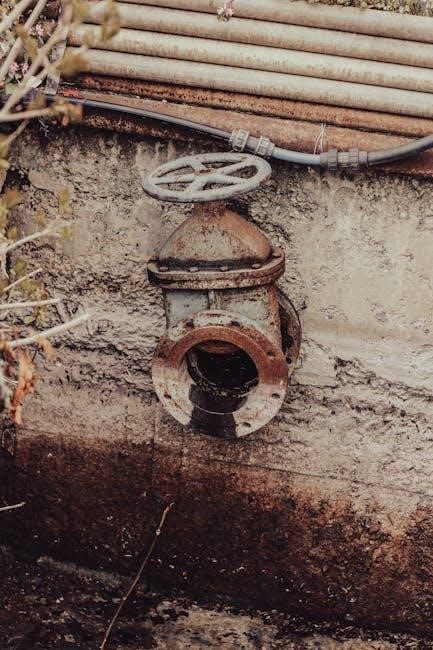
Leaks originating from the valve body suggest problems with the internal gaskets or a crack within the valve housing. A warped rotor on the key cover assembly or a compromised gasket unable to create a proper seal can also contribute to these leaks.
Thoroughly examine all connection points and the valve body itself. Lubricating the diffuser and ensuring all components are correctly seated are crucial steps in resolving these leaks and maintaining optimal system performance.
Leaks Around the Handle
Leaks manifesting around the Pentair multiport valve handle frequently indicate a failure in the sealing mechanisms within that specific area. Often, the issue stems from wear and tear on the internal components directly beneath the handle, or a compromised seal preventing proper water containment.
Carefully inspect the area for visible water traces during valve operation. Disassembly may be necessary to assess the condition of the handle pin and surrounding parts. A warped rotor on the key cover assembly can also contribute to leaks around the handle, disrupting the seal.
Proper lubrication of the diffuser and meticulous reassembly, ensuring all parts are correctly aligned, are vital steps in rectifying these leaks and restoring the valve’s integrity.
Leaks from the Valve Body
Leaks originating from the main valve body of your Pentair multiport valve typically signify a more substantial issue than those around the handle. These leaks often point to a crack within the valve housing itself, or a failure of the primary gasket responsible for creating a watertight seal.
A compromised gasket, unable to effectively seal against the valve body, allows water to escape under pressure. Thoroughly inspect the valve body for any visible cracks or damage. If a crack is detected, valve replacement is usually the most practical solution.
Ensure the gasket is properly seated during reassembly, and consider applying a silicone-based lubricant to aid in sealing. Addressing these leaks promptly prevents further damage and maintains system efficiency.
Low Water Pressure Related to the Multiport Valve
Reduced water pressure, when the Pentair multiport valve appears functional, often indicates internal obstructions or issues with the valve’s flow path. Debris, such as leaves or sediment, can accumulate within the valve, restricting water flow and diminishing pressure throughout the pool system.
Incorrect valve positioning can also contribute to low pressure; ensure the valve is set to the appropriate filter, backwash, or recirculate mode for your current needs. A partially clogged diffuser, located within the valve, can similarly impede water flow.
Regularly inspect and clean the valve’s internal components, including the diffuser, to remove any accumulated debris. If the problem persists, a complete valve disassembly and inspection may be necessary to identify and resolve the underlying cause.

Maintenance and Repair
Regular maintenance includes spring replacement, diffuser lubrication, and key cover assembly checks, ensuring optimal performance and preventing leaks in your Pentair valve.
Pentair Multiport Valve Spring Replacement

Replacing the spring within your Pentair multiport valve is a crucial maintenance task, often necessary when experiencing handle stiffness or difficulty shifting between filter settings. The standard Pentair 2 multiport valve utilizes a spring measuring 1-5/8 inches in diameter and 1-3/8 inches in height – ensuring you have the correct replacement part is paramount for successful repair.
Before commencing, always shut off power to the pump and relieve system pressure. Carefully disassemble the valve, noting the spring’s location and orientation. Remove the old spring, inspect the surrounding components for wear or damage, and then install the new spring, ensuring it’s properly seated. Proper spring function is vital for smooth valve operation and preventing internal component stress, ultimately extending the lifespan of your filtration system.
A worn spring can lead to inconsistent water flow and potential valve failure.
Lubricating the Diffuser and Internal Components
Regular lubrication is essential for maintaining the smooth operation of your Pentair multiport valve. Specifically, the diffuser and internal components benefit significantly from a silicone-based lubricant, preventing friction and ensuring effortless valve rotation. During reassembly, after any repair or disassembly, thoroughly lubricate the diffuser – the area prone to causing leaks underneath the handle if neglected.
Apply lubricant to all moving parts, including O-rings and seals, to create a watertight barrier and prevent premature wear. This proactive step minimizes the risk of a stuck valve handle and extends the valve’s overall lifespan. Avoid petroleum-based lubricants, as they can degrade rubber components. Consistent lubrication contributes to efficient filtration and reduces the likelihood of costly repairs down the line.
Properly lubricated parts ensure optimal performance and longevity.
Replacing the Multiport Valve Key Cover Assembly
Replacing the key cover assembly on your Pentair multiport valve is often necessary when encountering leaks or a compromised seal. A warped rotor within the assembly, or a crack in the valve housing where the gasket should seal, are common causes for replacement. Begin by carefully removing the old assembly, noting the orientation of all components for correct reinstallation.
Inspect the new assembly for any defects before installation. Ensure the gasket is properly seated to prevent future leaks. Tighten the screws evenly to avoid distortion. This assembly is crucial for maintaining water pressure and preventing water from escaping around the valve handle. Proper installation is vital for a watertight seal and smooth valve operation.
A correctly installed assembly ensures optimal valve functionality and prevents leaks.

Disassembly and Reassembly
Disassembly requires careful attention to component order; reassembly demands precise gasket and O-ring placement for a watertight seal, preventing leaks and ensuring proper function.
Step-by-Step Disassembly Guide
Before beginning, ensure the system is completely shut down and pressure is relieved. Remove the multiport valve key cover assembly, carefully noting its orientation for reinstallation. Next, detach the valve’s unions connecting it to the plumbing, preparing for removal.
Loosen and remove the diffuser assembly, paying attention to any internal components like springs or seals. Inspect the diffuser for wear or damage. Carefully unscrew the valve’s internal components, keeping track of their order and position.
Pay close attention to the multiport valve’s internal parts, as a warped rotor or cracked housing can cause leaks. Document each step with photos for reference during reassembly. Once all components are removed, thoroughly inspect each part for wear, cracks, or damage, replacing as needed.
Proper Reassembly Procedures
Begin by carefully reinserting the internal components in the reverse order of disassembly, referencing any photos taken during the process. Ensure all parts are correctly aligned and seated properly. Apply a suitable lubricant to O-rings and seals before reassembly to facilitate a watertight seal and prevent future sticking.
Reattach the diffuser assembly, tightening it securely but avoiding over-tightening, which could cause damage. Reconnect the valve unions to the plumbing, ensuring a snug fit. Finally, reinstall the multiport valve key cover assembly, verifying its correct orientation.
Double-check all connections and components before restoring water pressure. Slowly introduce water to the system, carefully monitoring for any leaks. If leaks are detected, immediately shut down the system and re-examine the affected area.
Gasket and O-Ring Replacement
During valve servicing, inspect all gaskets and O-rings for signs of wear, cracking, or deformation. Replace any compromised seals to maintain a watertight system and prevent leaks, particularly around the handle and valve body. Ensure the replacement parts are specifically designed for your Pentair multiport valve model.
Before installing new gaskets and O-rings, lightly lubricate them with a silicone-based lubricant to ease installation and enhance sealing. Carefully seat the new seals into their respective grooves, ensuring they are fully and evenly positioned.
Pay close attention to the gasket where the valve housing splits, as this is a common leak point. Proper gasket installation is crucial for a reliable, leak-free operation.
Safety Precautions
Always prioritize electrical safety and system shutdown before any maintenance. Depressurize the system completely to avoid injury during disassembly and repair procedures.
Electrical Safety Considerations
Before commencing any work on the Pentair multiport valve or associated plumbing, absolutely ensure the pump and filter system are completely disconnected from the power source. This is paramount to prevent electrical shock and potential hazards. Locate the circuit breaker supplying power to the pool equipment and switch it to the ‘OFF’ position.
Verify the power is off using a non-contact voltage tester. Never assume the system is de-energized solely based on the breaker position. Water and electricity are a dangerous combination; even residual voltage can pose a serious risk. If you are uncomfortable working with electrical components, consult a qualified electrician.
Always work in a dry environment. Avoid any contact with wet surfaces or standing water while handling electrical connections. Proper grounding of the system is crucial for safety. Inspect grounding wires for damage or corrosion and replace them if necessary. Remember, safety is non-negotiable when dealing with pool equipment.
Water Pressure and System Shutdown
Prior to any maintenance or repair involving the Pentair multiport valve, a complete system shutdown is essential. Begin by turning off the pump. Subsequently, close the suction and return valves to isolate the filter system from the pool plumbing. This prevents water from flowing back into the system during disassembly.
Slowly open the air relief valve on the filter tank to release any trapped pressure. Monitor the pressure gauge to confirm it has returned to zero. Failure to relieve pressure can result in water spraying during valve removal, creating a mess and potential hazard.
Be mindful of water remaining within the valve and piping. Have buckets and towels readily available to contain any spills. Always adhere to local regulations regarding water disposal. A controlled shutdown minimizes risks and ensures a safe working environment.