Sonata Pathétique: A Comprehensive Guide to the PDF & Performance
Beethoven’s iconic Sonata Pathétique, readily available as a PDF, presents varied editions with discrepancies in tremolo and key signatures.
Numerous resources, like MuseScore, offer free PDF and MIDI downloads, while orchestral arrangements exist for the expressive second movement.
Historical Context of the Sonata Pathétique
Ludwig van Beethoven’s Piano Sonata No. 8 in C minor, Op. 13, universally known as the “Pathétique,” emerged during his early mature compositional period, around 1798-1799. This timeframe places it between his initial, more classically-influenced works and the bolder, more innovative compositions that would define his middle period. The sonata was published in 1799, dedicated to Count Karl von Brunswik, with whom Beethoven had a complex relationship.
The late 18th century was a period of significant societal and political upheaval, marked by the French Revolution and the rise of Napoleonic ideals. While Beethoven wasn’t overtly political in this sonata, the dramatic and emotionally charged character of the work resonated with the spirit of the age. The “Pathétique” represents a shift towards a more personal and expressive style, foreshadowing the Romantic era. The availability of the sonata as a PDF today allows modern audiences to connect with this pivotal moment in musical history, studying the nuances of Beethoven’s genius.
Beethoven’s Compositional Period & Style
The Sonata Pathétique falls within Beethoven’s early-middle period, a crucial transition showcasing his evolving style. Initially influenced by Haydn and Mozart, Beethoven began to forge his unique voice, characterized by dramatic contrasts, emotional depth, and innovative formal structures. This sonata exemplifies these traits, moving beyond classical conventions with its intense emotional range and dynamic shifts.
Beethoven’s compositional style during this period often involved expanding the sonata form, exploring harmonic possibilities, and utilizing a wider range of dynamics. The PDF versions available today reveal his meticulous notation, even with variations in details like the left-hand tremolo. He masterfully employed thematic development and motivic transformation, creating a cohesive and compelling musical narrative. The sonata’s accessibility as a PDF allows for detailed analysis of these stylistic elements, furthering understanding of Beethoven’s genius.
The “Pathétique” Nickname: Origin and Meaning
The evocative nickname “Pathétique,” added not by Beethoven himself, originated after his death. It wasn’t intended to signify sadness in the modern sense, but rather to convey a sense of evoking profound emotion – a powerful, affecting quality. The term, popular in the late 18th and early 19th centuries, implied a capacity to stir the passions intensely, encompassing a wide spectrum of feelings beyond mere sorrow.
The PDF sheet music doesn’t reveal the origin of the name, but studying the score highlights why it resonated with audiences. The dramatic contrasts, particularly in the first movement, and the melancholic beauty of the Adagio cantabile, contribute to this emotional impact. Accessing the sonata as a PDF allows musicians and listeners to delve into these expressive qualities, understanding why the nickname “Pathétique” became so enduringly associated with this masterpiece.

Understanding the Sonata Pathétique PDF
PDF versions of the Sonata Pathétique vary, presenting discrepancies in sheet music, notably the left-hand tremolo and key signatures. Authentic Urtext editions are crucial.
Availability of Different PDF Versions
Ludwig van Beethoven’s Sonata Pathétique, Op. 13, enjoys widespread availability in PDF format across numerous online platforms. MuseScore.com provides free downloads of both PDF and MIDI versions, catering to a broad range of users. However, it’s crucial to acknowledge the existence of diverse editions, each potentially exhibiting subtle variations. These differences aren’t merely cosmetic; they can impact the interpretation and performance of the piece.
A quick search reveals arrangements tailored for various ensembles, including string orchestra, further expanding the accessibility of the sonata. Digital sheet music specifically formatted for string orchestra is also readily obtainable. The proliferation of PDF versions, while convenient, necessitates careful consideration of source authenticity. Some versions may stem from transcriptions or editions that deviate from the original intent, potentially introducing inaccuracies or interpretive biases. Therefore, discerning musicians often prioritize Urtext editions, striving for a faithful representation of Beethoven’s original manuscript.
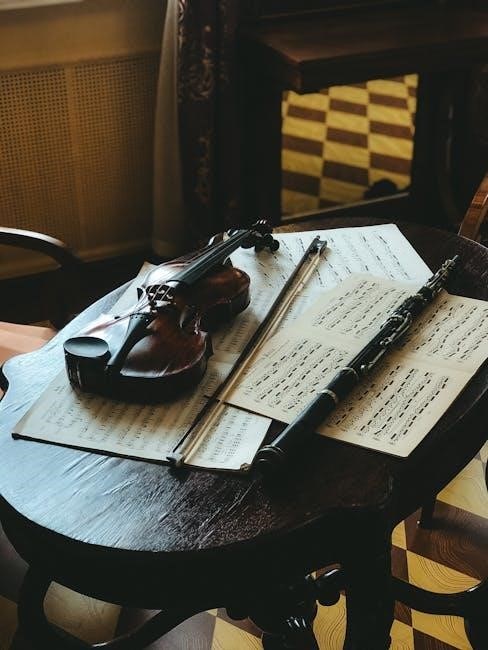
Discrepancies in Sheet Music: Left Hand Tremolo Variations
A notable point of contention amongst performers and scholars of the Sonata Pathétique revolves around variations in the left-hand tremolo within the second movement. Online discussions, such as those found on r/piano on Reddit, highlight the existence of differing sheet music versions. Some editions feature a more sparse tremolo pattern, while others present a fuller, more elaborate arrangement. This discrepancy often leads to confusion, as many performers report encountering sheet music with less tremolo, yet hearing performances that utilize the more complex version.
The reason for these variations isn’t always clear, potentially stemming from editorial choices made during transcription or publication. It’s essential for pianists to investigate different sources and critically evaluate the tremolo passages, considering both historical context and musical effect. Understanding these discrepancies allows for informed interpretive decisions, ensuring a performance that is both musically compelling and respectful of Beethoven’s intentions.
Key Signature Issues: C Major vs. C Minor in the 2nd Movement
A significant issue encountered when examining Sonata Pathétique PDF versions concerns the key signature of the second movement, the celebrated Adagio cantabile. Some sheet music presents the movement in C major, while the original composition, and the majority of scholarly editions, unequivocally establish it in C minor. This error can be particularly misleading for students and less experienced pianists, potentially altering the intended emotional impact of the piece.
The shift to C major fundamentally changes the harmonic landscape, diminishing the movement’s characteristic melancholic and introspective quality. It’s crucial to verify the key signature against reliable sources, such as Urtext editions, to ensure an accurate representation of Beethoven’s work. Performers should be aware of this potential discrepancy and prioritize performing the movement in its original C minor key.
Authenticity and Urtext Editions of the PDF
When sourcing a Sonata Pathétique PDF, prioritizing authenticity is paramount. Numerous online versions exist, but their accuracy varies considerably. Urtext editions, representing the composer’s original intent with minimal editorial intervention, are the gold standard for performers and scholars. These editions strive to reproduce the score as Beethoven himself would have published it.
However, finding a truly authentic PDF can be challenging. Many freely available versions may contain inaccuracies, such as incorrect fingerings, altered dynamics, or, as noted, transposed key signatures. Seeking out PDFs derived from reputable publishers known for their Urtext offerings is highly recommended. Careful comparison with multiple sources can help identify and correct any discrepancies, ensuring a faithful interpretation of this iconic work.
Detailed Movement Breakdown
Beethoven’s Sonata Pathétique unfolds in three distinct movements: a dramatic Grave-Allegro, a serene Adagio cantabile, and a lively Rondo: Allegro, all accessible via PDF.
First Movement: Grave – Allegro di molto e con brio
The opening Grave section of the first movement, easily found in Sonata Pathétique PDF versions, establishes a somber and contemplative mood. This stark contrast immediately gives way to the explosive Allegro di molto e con brio, a whirlwind of energy and passion.
Pianists often grapple with the technical demands of this section, requiring precise articulation and dynamic control. Online resources, including YouTube practice tutorials, offer guidance on navigating its complexities. The initial, powerful chords and rapid scale passages demand significant dexterity.
Variations in PDF sheet music may exist, but the core structure remains consistent. Mastering this movement requires careful attention to phrasing and a deep understanding of Beethoven’s dramatic intent. The PDF format allows for detailed study of the score, aiding in a nuanced interpretation.
Second Movement: Adagio cantabile
The Adagio cantabile, a cornerstone of the Sonata Pathétique, is renowned for its lyrical beauty and emotional depth, readily accessible through various PDF sheet music editions. However, discrepancies exist; some PDF versions present the movement in C major, while the original is in C minor.
This key signature variation is a frequent point of discussion among pianists, impacting the overall mood and harmonic color. Orchestral arrangements of this movement, available as PDF scores, highlight its melodic richness.
Achieving a truly expressive performance requires sensitive pedaling and careful attention to phrasing. The PDF allows for detailed score analysis, aiding in understanding Beethoven’s intentions. The movement’s serene character provides a poignant contrast to the outer movements’ dramatic intensity.
Third Movement: Rondo: Allegro
The final movement, a lively Rondo: Allegro, provides a spirited conclusion to the Sonata Pathétique, easily found in PDF format online. MuseScore.com offers a free PDF and MIDI download of this movement, facilitating practice and study.
Despite its seemingly straightforward character, the Rondo demands technical precision and rhythmic vitality from the performer. The PDF score allows pianists to closely examine Beethoven’s articulation markings and dynamic contrasts.
This movement showcases Beethoven’s playful side, contrasting with the emotional intensity of the preceding movements. Careful attention to phrasing and tempo variations, guided by the PDF, is crucial for a compelling interpretation. It’s a brilliant and energetic finale, completing the sonata’s dramatic arc.
Performance Considerations & Resources
YouTube provides valuable performance analyses, like Paul Barton’s interpretation, alongside practice tutorials for the first movement, accessible with the Sonata Pathétique PDF.
YouTube Performance Analysis: Paul Barton’s Interpretation
Paul Barton’s home-studio performance of the Sonata Pathétique, available on YouTube, offers a compelling and insightful rendition of the complete work. His interpretation, performed on a FEURICH piano, provides a valuable resource for those studying the piece, particularly when referencing a Sonata Pathétique PDF score.
The video, exceeding 791 seconds in length, allows viewers to observe Barton’s nuanced approach to phrasing, dynamics, and tempo. This is especially helpful when comparing his performance choices to the notes within various PDF editions, noting potential differences in interpretation.
Barton’s performance isn’t merely a demonstration of technical skill; it’s a thoughtful exploration of the emotional depth inherent in Beethoven’s composition. Students utilizing a PDF version of the score can benefit from visually and aurally connecting the written music to a skilled performance, enhancing their understanding and musicality. The video serves as a practical guide alongside the static information found in a Sonata Pathétique PDF.
Practice Tutorials for the First Movement
For pianists tackling the formidable first movement (Grave – Allegro di molto e con brio) of the Sonata Pathétique, YouTube provides accessible practice tutorials. These resources complement the study of a Sonata Pathétique PDF score, offering visual and auditory guidance.
Specifically, a tutorial focusing on the first movement is available, breaking down complex passages and offering technical advice. Utilizing a PDF of the sheet music alongside these tutorials allows for focused practice, enabling students to correlate fingerings and phrasing with the visual representation of the music.
These tutorials often address common challenges encountered in the movement, such as navigating the rapid arpeggios and maintaining clarity in the left-hand accompaniment. By combining the detailed notation of a Sonata Pathétique PDF with the demonstrative instruction of a video tutorial, pianists can accelerate their learning and refine their performance.
Orchestral Arrangements of the 2nd Movement
The profoundly emotive second movement, Adagio cantabile, of Beethoven’s Sonata Pathétique lends itself beautifully to orchestral adaptation. While often experienced as a solo piano piece studied from a Sonata Pathétique PDF, arrangements exist that expand its sonic palette.
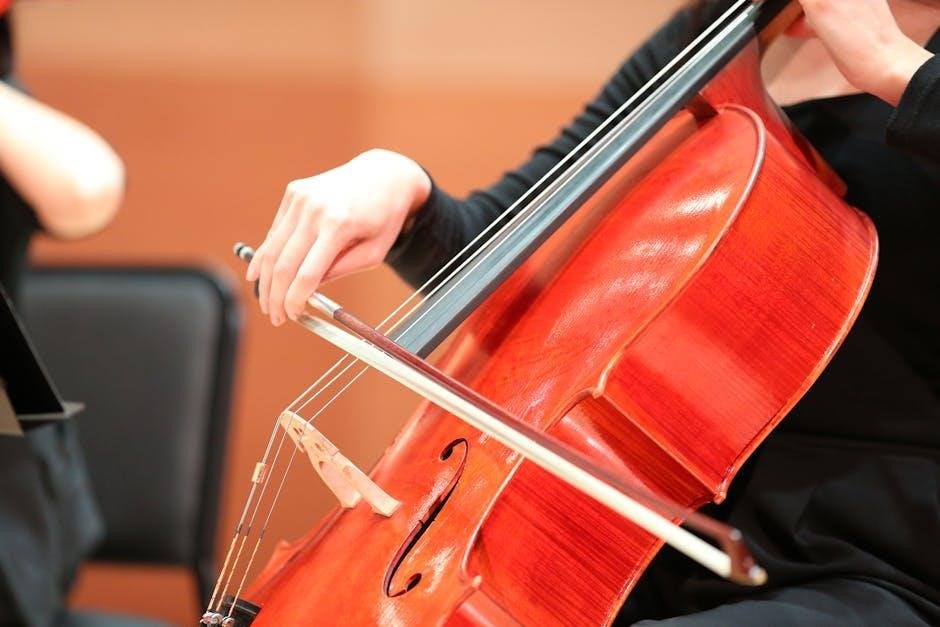
These orchestral versions, scored for ensembles including two flutes, oboes, clarinets, bassoons, horns, bass trombone, harp, and strings, offer a richer texture and dynamic range. Accessing a PDF of the orchestral score alongside the original piano PDF provides insight into how the harmonic and melodic content translates to a larger ensemble.

Neil Stoker has created a full score in concert pitch, available online, showcasing this transformation. Exploring these arrangements deepens appreciation for Beethoven’s compositional genius and demonstrates the movement’s inherent orchestral qualities, moving beyond the solo piano interpretation found in standard PDF versions.
Sonata Pathétique in Popular Culture: Billy Joel’s “This Night”
Beethoven’s enduring Sonata Pathétique transcends classical music circles, finding unexpected resonance in popular culture. A notable example is Billy Joel’s 1980s hit, “This Night,” which subtly incorporates elements of the sonata’s iconic melody. While many recognize Joel as a piano virtuoso, his awareness of classical music history is evident in this musical allusion.
Listeners familiar with the Sonata Pathétique – perhaps through studying a PDF score – can discern the borrowed thematic material within the song’s arrangement. This demonstrates the sonata’s lasting impact and its ability to inspire artists across genres. The connection highlights how classical compositions continue to permeate contemporary music.
Discovering this link adds another layer of appreciation for both Beethoven’s masterpiece and Joel’s songwriting, proving the timeless quality of the Sonata Pathétique, even beyond the realm of the PDF sheet music.

Technical Aspects for Pianists
Beethoven’s Sonata Pathétique demands significant pianist skill; mastering the PDF requires adept pedaling, tackling left-hand tremolos, and navigating expressive phrasing.
Difficulty Level and Required Skills
Beethoven’s Sonata Pathétique, even in PDF format, presents a considerable challenge for pianists, generally considered to be at a late intermediate to advanced level. Successfully performing this piece necessitates a strong technical foundation, including proficient scale and arpeggio technique, crucial for navigating the rapid passages and ornamentation.
The first movement, Grave – Allegro di molto e con brio, demands precise fingerwork and dynamic control. The infamous left-hand tremolo requires stamina and evenness. Beyond technique, a deep understanding of musical phrasing, articulation, and harmonic structure is vital.
Interpreting the PDF accurately also requires careful attention to detail regarding dynamics and tempo markings. The second movement, Adagio cantabile, calls for lyrical phrasing and expressive pedaling. Finally, the rondo demands agility and a light touch. A pianist must possess both technical prowess and musical sensitivity to truly capture the emotional depth of this masterpiece.
Common Challenges in Performance
Performing Beethoven’s Sonata Pathétique, even with a readily available PDF score, presents several hurdles for pianists. The persistent left-hand tremolo in the first movement is notoriously difficult to maintain evenly and without fatigue, often leading to inconsistencies in tone and rhythm.
Discrepancies between different PDF versions regarding the tremolo’s complexity add to the challenge, requiring performers to make informed interpretive choices. The second movement’s lyrical quality demands nuanced pedaling and voicing, easily becoming muddy if not carefully controlled.
Furthermore, accurately conveying the dramatic shifts in mood and dynamics throughout all three movements requires significant musical maturity. Maintaining clarity in the faster passages while preserving expressive phrasing is a constant balancing act. Finally, navigating the key signature variations – particularly the C major/minor debate in the second movement – demands careful attention to harmonic context.
Pedaling Techniques for Expressive Playing
Mastering the pedaling in Beethoven’s Sonata Pathétique, guided by a reliable PDF score, is crucial for achieving its emotional depth. The Adagio cantabile, in particular, demands careful pedaling to sustain the melodic lines without creating a blurred harmonic texture. Subtle half-pedaling and syncopated pedal changes are essential for clarity.
In the first movement, judicious use of the pedal can enhance the dramatic impact of the dynamic contrasts and the intensity of the tremolo. However, over-pedaling can easily obscure the rhythmic precision. The Rondo requires lighter, more agile pedaling to complement its playful character.
Analyzing performances, like Paul Barton’s on YouTube, can offer valuable insights into effective pedaling strategies. Remember that the goal is to enhance the expressiveness of the music, not simply to fill the sound with resonance. Careful study of the PDF alongside expert interpretations is key.

Sheet Music Resources & Formats
Sonata Pathétique scores are widely available as PDFs, including free options on MuseScore.com, alongside MIDI files. Digital versions exist for string orchestra arrangements too.
MuseScore.com: Free PDF and MIDI Downloads
MuseScore.com stands as a prominent online repository for freely accessible sheet music, and Beethoven’s Piano Sonata No. 8, Op. 13 – the Pathétique – is no exception. Users can readily download the complete sonata, or individual movements, in both PDF and MIDI formats.
The PDF versions allow for convenient printing and offline viewing, catering to pianists who prefer traditional sheet music. The MIDI files, conversely, enable playback on computers and other devices, offering a valuable tool for studying the piece’s structure and harmonies. Arranged by “ClassicMan” for solo piano, the available score provides a readily accessible rendition of this beloved work.
However, it’s crucial to acknowledge potential variations in editions found on MuseScore, mirroring the discrepancies observed across different PDF sources generally. While a fantastic resource, verifying the accuracy against a reputable Urtext edition is always recommended for serious study and performance.
Digital Sheet Music for String Orchestra
Beyond its original piano form, Beethoven’s Sonata Pathétique has found a vibrant life in orchestral arrangements, particularly for string orchestra. Digital sheet music for these arrangements is increasingly available online, offering a compelling alternative to the solo piano version.
These arrangements, often featuring instrumentation for 2 Flutes, 2 Oboes, 2 Clarinets in B♭, 2 Bassoons, 2 Horns in F, Bass Trombone, Harp, and Strings, beautifully translate the sonata’s emotional depth to a richer sonic palette. Neil Stoker provides a full score in concert pitch, accessible through his website, neilstoker.com.
The second movement, Adagio cantabile, is particularly well-suited for string orchestra, lending itself to lush harmonies and expressive phrasing. Obtaining these digital scores allows ensembles to explore this captivating adaptation of a piano masterpiece, expanding the sonata’s reach and appeal.